Location >>
 Panoramic View of the Global Ink Market: A Competitive Landscape Shaped by International Giants and Local Players
Date:2025-12-04
Panoramic View of the Global Ink Market: A Competitive Landscape Shaped by International Giants and Local Players
When we flip through vividly colored magazines or browse shelves filled with eye-catching product packaging, it is the globally competitive ink industry working behind the scenes to make these visuals possible. The global ink market is undergoing profound transformation—shifting from a landscape once dominated by international corporations to one defined by coexistence, collaboration, and competition between global brands and leading domestic players. China is emerging as an increasingly pivotal force in this evolution. Understanding this landscape helps us grasp the industry’s development trajectory and anticipate its future direction.

ⅠGlobal Industry Leaders and Competitors
After decades of development, the global ink industry has given rise to several influential multinational enterprises. With deep technological expertise and globally integrated supply chains, these companies hold significant positions in the international market.
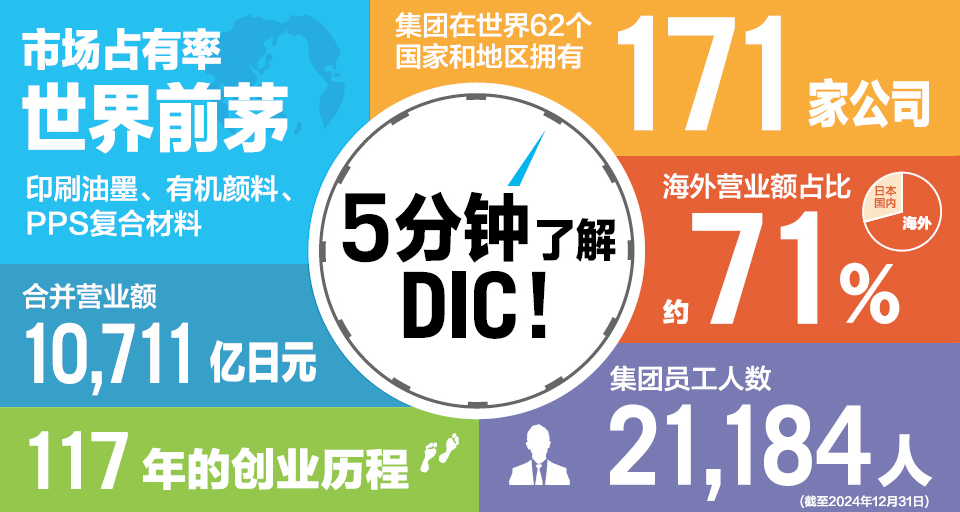
DIC / Sun Chemical:
Originating from Japan, the DIC Group and its wholly owned U.S.-based subsidiary Sun Chemical together form the world’s largest ink conglomerate. Their business covers virtually all printing segments—including publishing and packaging—and they remain key contributors to technological advancement and standards-setting across the industry.
Flint Group:
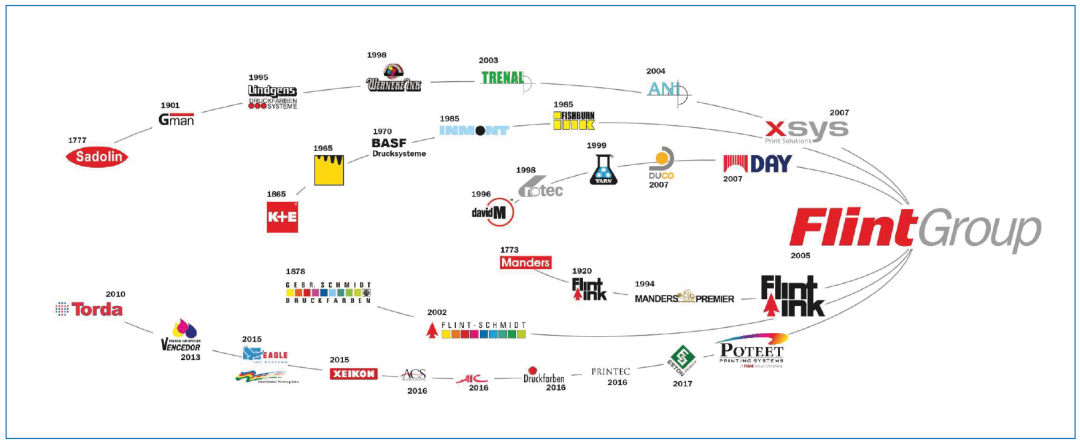
Headquartered in Luxembourg, Flint Group is one of the major competitors in the global market. It holds a comprehensive product portfolio and a strong customer base, particularly in the fields of packaging and publication printing inks.
Siegwerk:
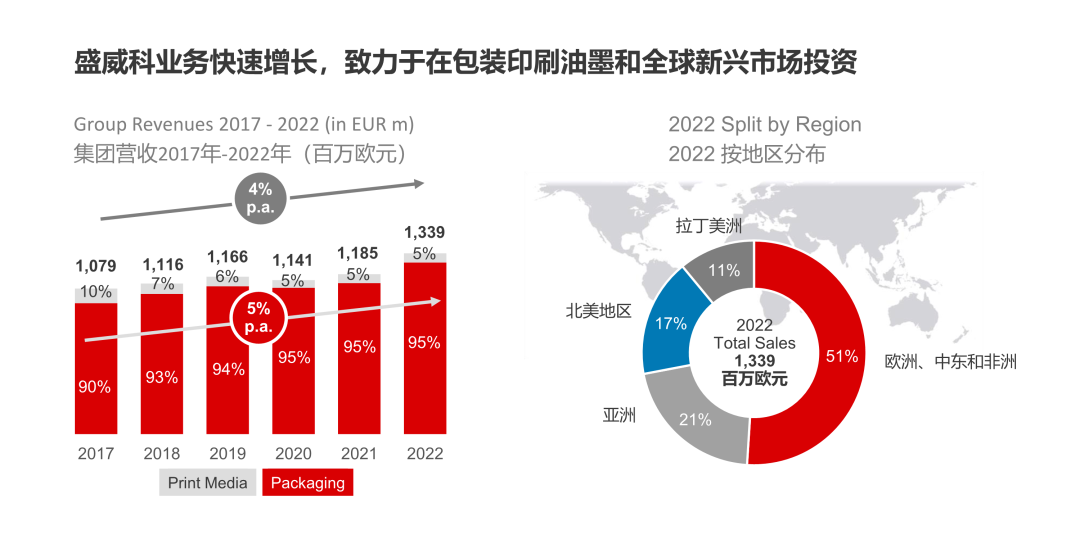
This German family-owned company has centered its strategic focus on packaging inks, building a global reputation—especially in the field of safe gravure and flexographic inks for food packaging.
T&K TOKA:
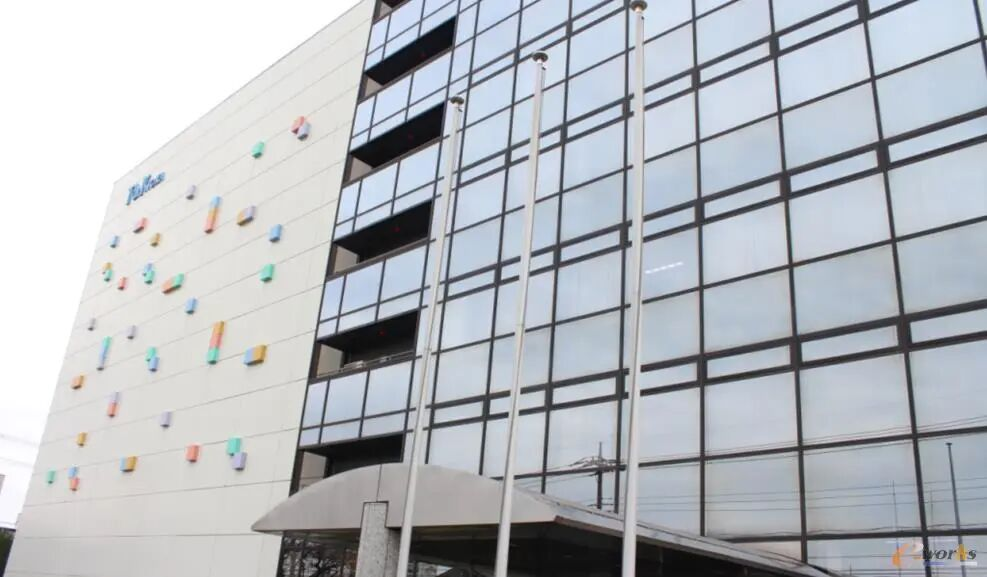
Another major Japanese ink manufacturer, T&K TOKA is known for its high-quality and innovative products. It holds a strong position in the Japanese and broader Asian markets, while also maintaining a significant presence in specialized segments worldwide.
These international giants share several defining characteristics:
they offer exceptionally comprehensive product portfolios—covering everything from traditional offset and gravure inks to emerging water-based and UV ink technologies. Their supply chains span the globe, with production facilities and R&D centers established across major markets including North America, Europe, and Asia, enabling them to serve global brand customers with consistency and scale.
ⅡThe Rise of China: From Follower to Innovator
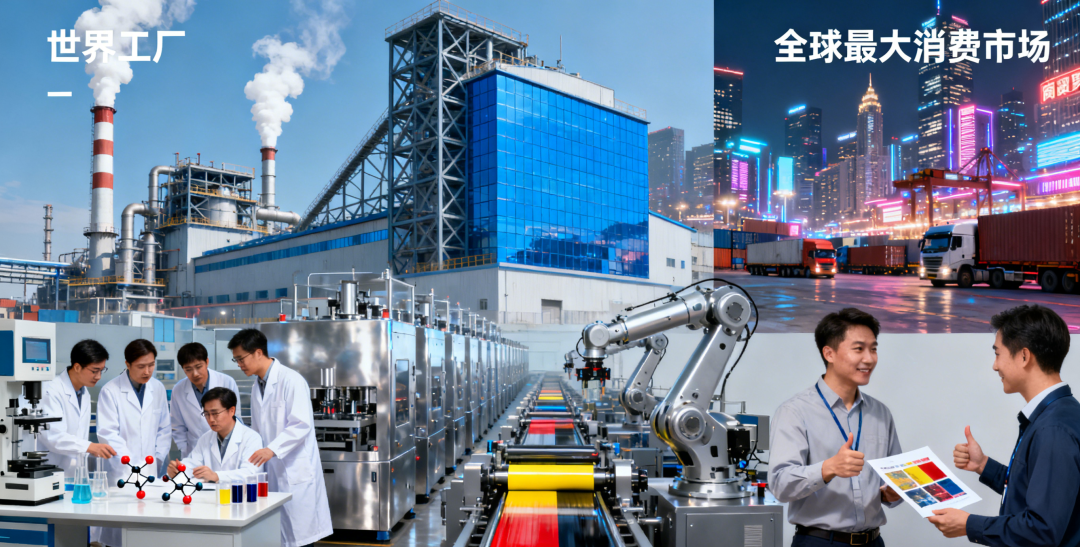
Keeping pace with China’s evolution into the “world’s factory” and the world’s largest consumer market, the Chinese ink industry has achieved a historic leap—from small and fragmented beginnings to a position of growing strength. A group of Chinese enterprises equipped with strong R&D capabilities, large-scale manufacturing, and localized service advantages have now become indispensable pillars in the global ink industry ecosystem.
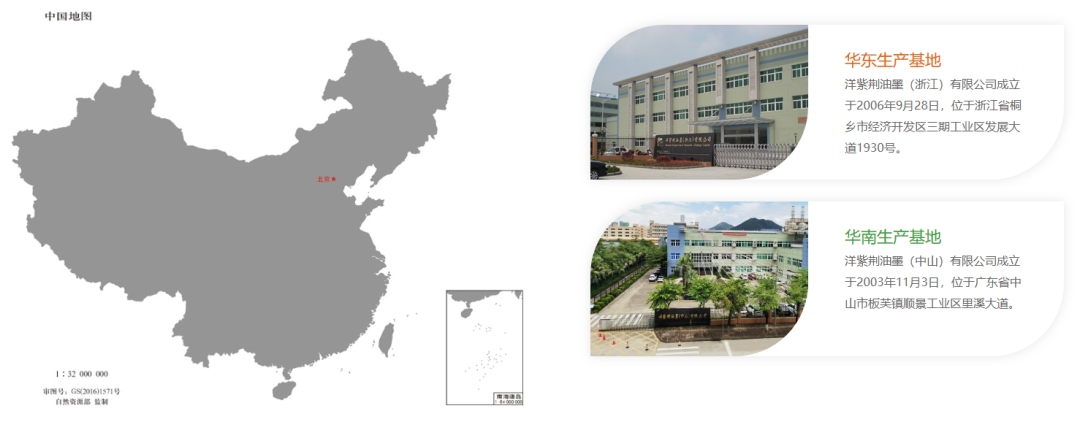
Leading enterprises with nationwide operations—represented by Bauhinia Ink, Hanghua Ink, and others—have established extensive production and sales networks across China. Bauhinia Ink holds a leading market share in segments such as inks for food flexible packaging, while Hanghua Ink demonstrates strong technological advantages in high-end fields including offset lithographic inks and UV-curable inks.
Their product quality and service capabilities fully meet the requirements of premium domestic and international brand customers.
A Strong Integration of Capital and Technology:
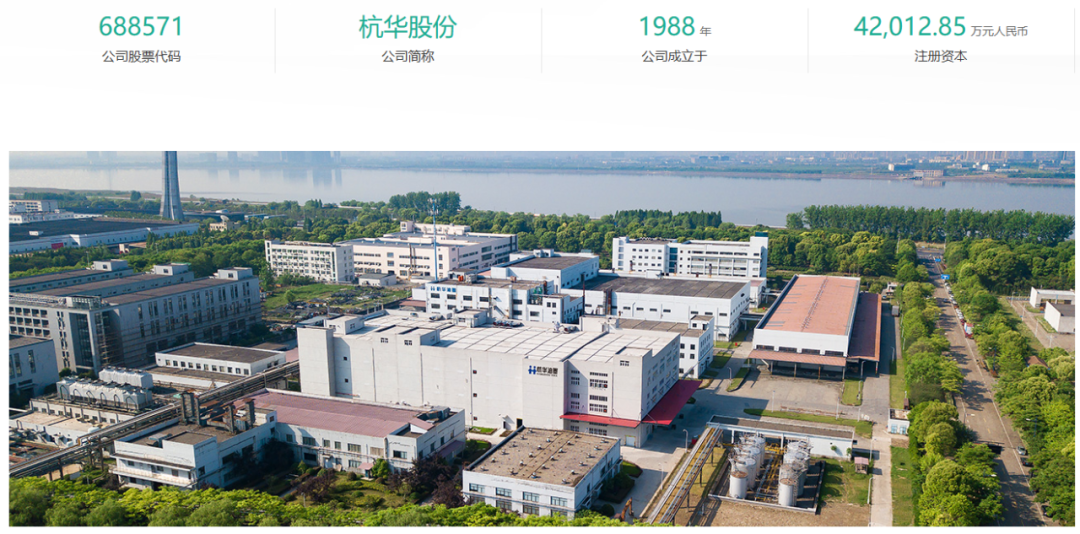
Several ink enterprises—including Letong Chemical Co., Ltd.and Tianlong Ink Group—have successfully gone public. Leveraging the power of the capital market, they continue to increase investment in R&D for environmentally friendly water-based inks, UV inks, and other advanced technologies, accelerating the industry’s shift toward greener and higher-tech product structures.
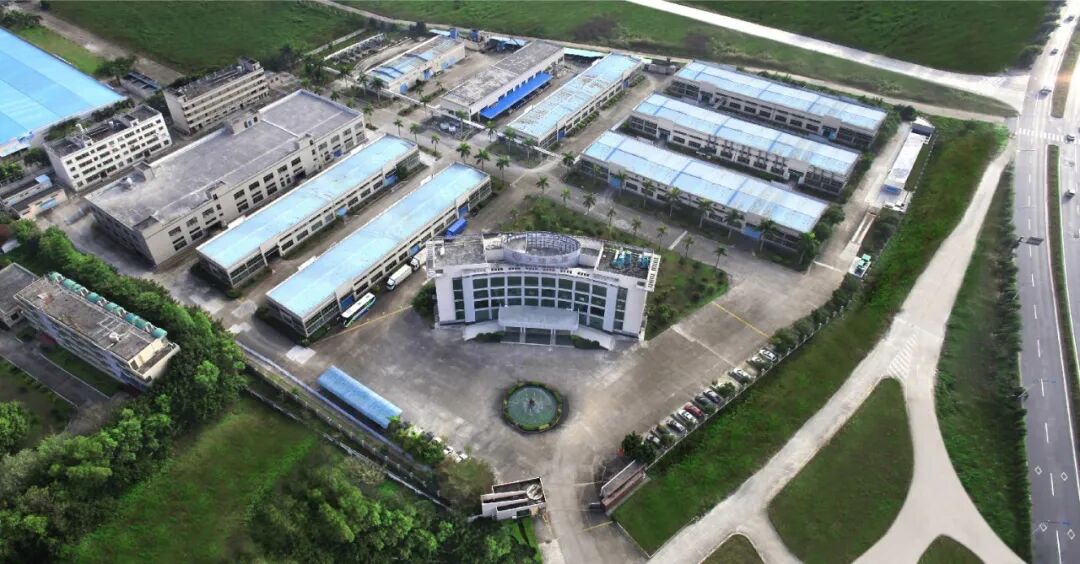
In addition to these listed companies, there is also a large number of strong regional players—such as Toyo Ink Tianjin (a joint venture with Japan’s Toyo Ink), Shenzhen Sunsail , Shanghai Silian Ink, Shanghai Mudan Ink, Zhejiang Yongzai Chemical, Guangdong Jiajing Technology, Zhongshan Bridge Chemical, Guangzhou Tongze Machinery, and Hunan Songjing New Materials.
With flexible business strategies, cost advantages, deep insight into local customer needs, and ongoing investment in environmentally friendly technologies such as water-based and UV inks, these companies hold solid market shares in the mid-range segment. They are also steadily moving into higher-end markets and advanced R&D fields, demonstrating strong competitive momentum.
Ⅲ Core Drivers Shaping the Future of the Market
Today, the forces driving the evolution of both the global and Chinese ink markets are becoming increasingly aligned:
Green and Sustainable Development:
Stringent environmental regulations—both globally and in China—are accelerating the replacement of traditional solvent-based inks with environmentally friendly alternatives such as water-based inks, UV-curable inks, and bio-based inks. This shift is creating a unified innovation pathway for all industry players.

The upgrading needs of downstream industries:
The continued advancement of China’s packaging industry, together with the rapid growth of consumer brands, is raising the bar for ink safety, environmental performance, and visual quality. This directly creates growth opportunities for technology-driven and innovation-leading enterprises.
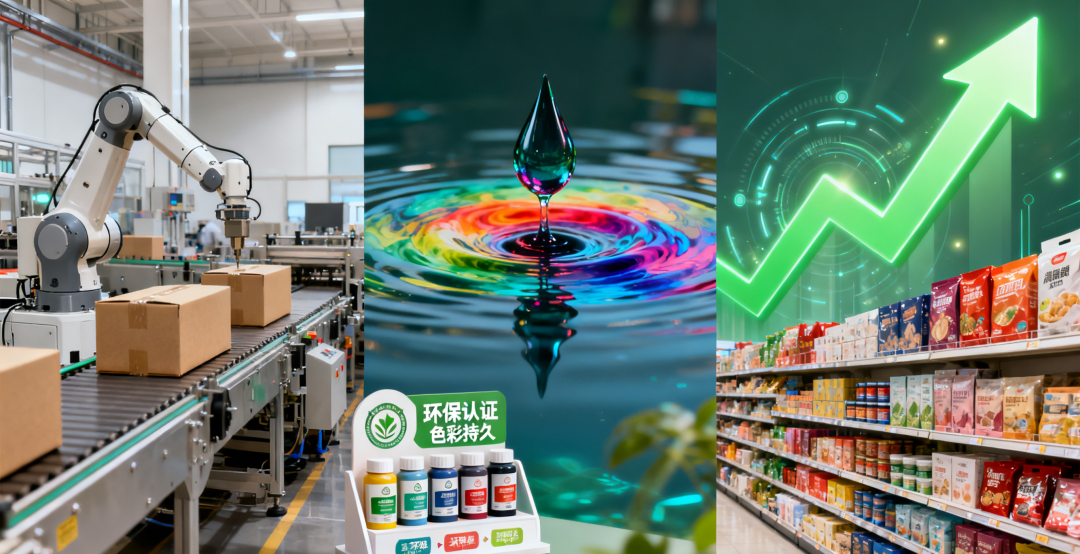
A New Normal of Cooperation and “Coopetition”:
Future market competition will no longer follow a simple pattern of substitution or displacement. Instead, multinational corporations and Chinese companies will increasingly collaborate across areas such as technology licensing, supply chain integration, and market development. This evolving dynamic—where competition and cooperation coexist—is shaping a new “interwoven” industry normal.

Today’s global ink market is a diverse and dynamic ecosystem. International corporations continue to lead through their global networks and long-established capabilities, while Chinese enterprises are rising collectively with remarkable speed and adaptability, becoming a powerful driver of industry innovation and transformation. Together, both sides are shaping the industry’s future along a new, China-defined pathway characterized by sustainability, efficiency, and technological advancement.